MIROSLAV GOSPEL
A Brief History
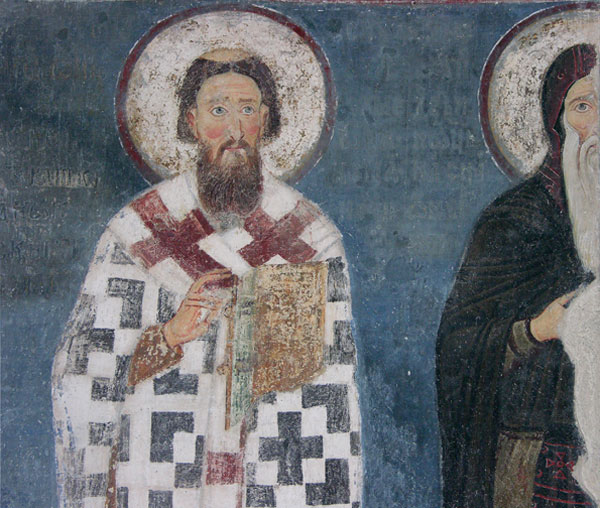
The Miroslav Gospel is the oldest surviving Serbian Cyrillic manuscript and is considered the most valuable movable cultural treasure of Serbia.
Due to its stunning decorative art, UNESCO included it among the 120 most valuable documents of world heritage in 2005.
Commissioned by Prince Miroslav of Hum, the elder brother of Stefan Nemanja and uncle of Saint Sava, this magnificent liturgical gospel was created for the Church of St. Peter the Apostle in Bijelo Polje, Montenegro, which was completed in 1161/1162. It is believed that the writing and illustration of the manuscript were completed around this time.
Monks from Hilandar Monastery assert that Saints Simeon and Sava used this very book to perform divine services during the restoration of the Hilandar Monastery in 1198/1199.
Seven centuries later, in 1896, King Aleksandar Obrenović decided to take the Miroslav Gospel from Hilandar Monastery to his royal court in Belgrade. Along with the book, he took the gold-sealed Foundation Charter of Simeon Nemanja, despite a note in the charter warning that divine judgment would fall on anyone who removed items from Hilandar.
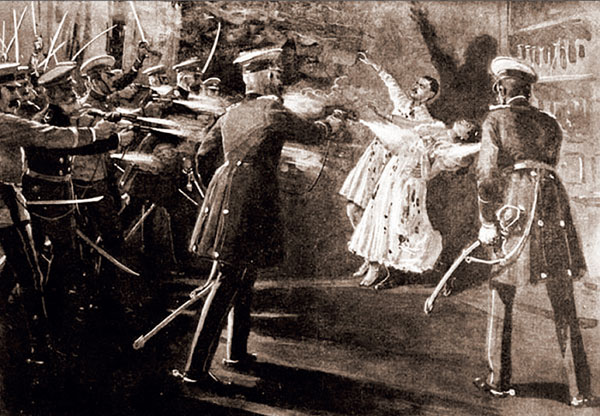
During the May Coup of 1903, one of the conspirators stole the Miroslav Gospel from the royal vault. The Foundation Charter remained but was later moved to the National Library and subsequently stolen during World War I.
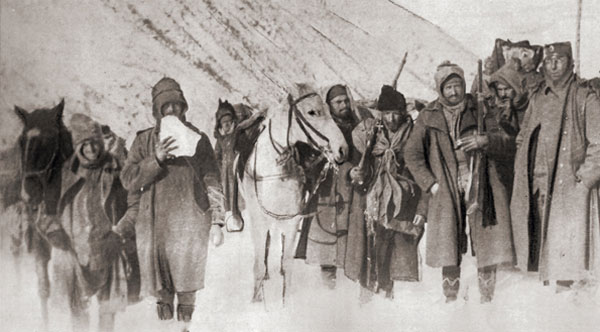
After years of searching, the Miroslav Gospel was "accidentally" discovered in 1915 in a trunk belonging to King Peter I Karađorđević during the retreat from Serbia. It was placed in the State Treasury and transported across the Albanian mountains to Corfu under dramatic circumstances.
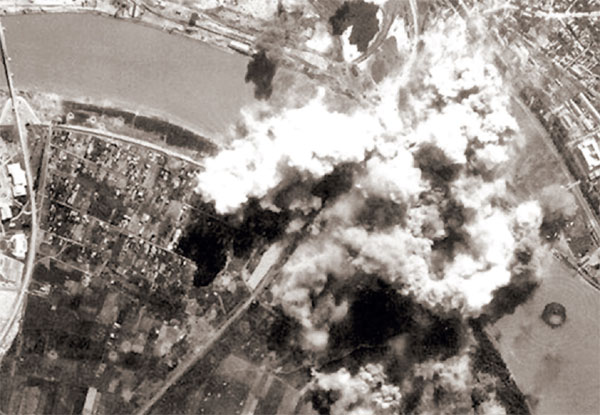
Following the breakthrough of the Salonika Front, the Miroslav Gospel returned with the Karađorđević family to Belgrade, where they refused to hand it over to the National Library of Serbia despite an order from their own Minister of Education. In 1935, Regent Prince Paul transferred the manuscript to the newly established Prince Paul Museum, unknowingly saving it from the destruction that would befall the books and charters held at the National Library during the German bombing of Belgrade in 1941.
In 1940, the gospel, along with all of Serbia's gold reserves, was stored in the vaults of the National Bank in Užice. Before the fall of the city, it was moved to Rača Monastery, where it was buried beneath the altar. In 1943, the hiding place was discovered, and the Miroslav Gospel was secretly moved to the National Bank of Serbia in Belgrade, where it remained until the end of World War II. After the war, the communist regime confiscated Prince Paul's property, and the Gospel was transferred to the National Museum. A curator once humorously remarked that she always knew where the Miroslav Gospel was because "she rested her feet on it."
In the 1970s, efforts to create a phototype edition were initiated, but attempts by major publishers and even the Vatican and British libraries were thwarted. In 1998, during another attempt, irreversible damage was inflicted upon the manuscript: holes were made in the parchment, some of the gold from the initials was lost, and paper was glued over later annotations. The manuscript was only photographed after these damages, and the images were of such poor quality that they were unusable for a phototype edition. The manuscript was subsequently rebound in the wrong order and remains in this state at the National Museum of Serbia. This failed endeavor cost an estimated 11 million euros from the ministry’s cultural budget and the Miroslav Gospel Fund.
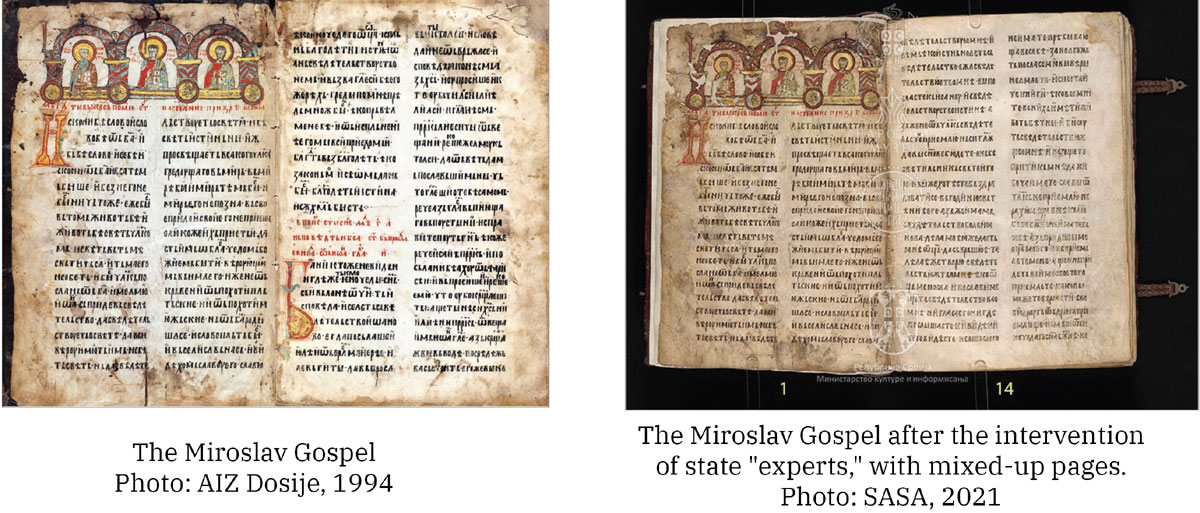
Fortunately, AIZ Dosije had photographed the manuscript in its undamaged state four years earlier. Based on these images and in collaboration with the Serbian Academy of Sciences and Arts, a facsimile of the Miroslav Gospel was printed in Johannesburg in 1998. This miraculous publication was completed despite domestic ban and international sanctions. Leading libraries and universities around the world acquired copies for their special collections, and they are also safeguarded in Serbian and Russian monasteries and churches worldwide.
Thanks to this edition, UNESCO recognized the Miroslav Gospel in 2005 as one of the most valuable documents of humanity.
In 2007, Boško Savković directed a documentary and television series on the history of the manuscript. Despite being filmed without any financial support from the Ministry of Culture, In the Beginning Was the Word won top prizes at international film festivals.
In 2019, after 200 printing trials conducted worldwide, AIZ Dosije, Miroslav Evangelium IMF and the Metropolitanate of Montenegro and the Littoral created a new facsimile of the Miroslav Gospel. It became the first edition in the world to faithfully reproduce the gold decorations characteristic of Orthodox manuscripts. The same technique was later used for a richly decorated Serbian Psalter, now held in Munich, commissioned by the Diocese of Düsseldorf and Germany. Thus, Serbia now has two of the finest facsimiles in the world.

Since 2019, the exhibition Divine Inspiration – The Miroslav Gospel has been a permanent feature at Golubac Fortress. In addition to the Dosije facsimiles, visitors can view the 1897 edition of King Aleksandar Obrenović, which features 10% of the pages in full format and color. All three editions represent the pinnacle of printing and scholarly achievements from the 19th, 20th, and 21st centuries. Accompanying these are bilingual illustrated panels explaining the unique symbolism of the manuscript’s decorations and its turbulent history. The exhibition, which also has a traveling version, has been seen by 1.7 million visitors worldwide.
 Српски
 English
 Русский